May 8, 2020 | Apologetics, Epistemology - Trust
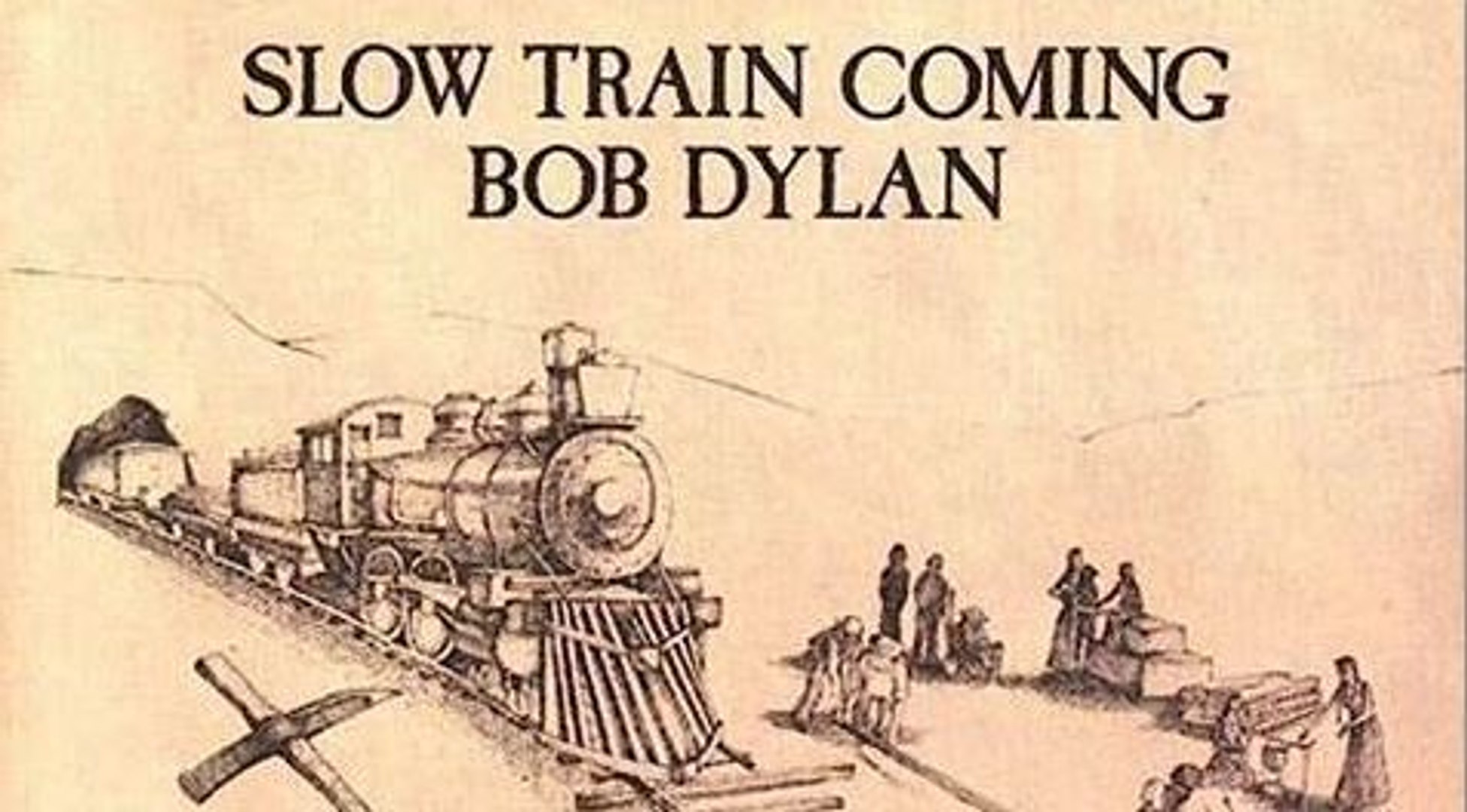
I had a dream recently, like I do every night, but this one was inspiration for a blog post. Most of my dreams are way too bizarre for the word bizarre, but this one was very specific. I made a friend when I got out of college and was involved in the Navigator ministry at USC, and had some part in leading him to Christ. We stayed friends after that, and he even attended Westminster Seminary with my wife and I for a time, but we lost connection with him somewhere in the mid-90s. The dream was simple. He showed up in the dream, and let me know he was no longer a Christian. I asked what he was, and he said nothing. I told him that wasn’t possible, that he had to believe in something! Then it was over. When I woke up I said to myself, I have to write something about this! Most people are under the impression when they don’t believe in Christianity, or reject it, that they are in some neutral place where belief or faith or religion is not required; they’ll just sit that one out for now. That, of course, is impossible, as I’ve argued here before. There is no metaphysical neutrality. As Dylan sang in his Jesus phase, you gotta serve somebody, it may be the devil or it may be the Lord, but you gotta serve somebody. (more…)

May 2, 2020 | Epistemology - Trust
We live in very strange times, as you may have noticed. Nobody knows who or what to trust, witness masks and gloves when you go to the store, or those who choose not to wear them (me!). Which “experts” should we trust? Politicians? A lot of people are fed up with their dictates. Media sources? No need to laugh. We’re seeing the profound implications of what happens to a society when trust breaks down, and it isn’t pretty. Civilization is fragile, and trust the glue that holds it together. Which brings us to the issue of certainty, how it’s related to trust, and how the expectation that absolute certainty is possible makes trust impossible. The problem is that if absolute certainty is possible, which is isn’t, then trust is unnecessary. To get the connection, we must understand something about epistemology, the study of knowledge, how we know things. You might wonder, what that six syllable word has to do with anything. Pretty much everything. To understand why will require a brief history lesson. (more…)

Apr 26, 2020 | Explanatory Power, Theology
On Friday I came across an article at Breakpoint about a movie called The Master Designer—the Song, and I, my wife, and son watched it in dumbfounded awe. It’s so refreshing to watch a documentary about the wonders of the natural world and not be told over and over that “nature” or “evolution” (unguided, random, material processes) is responsible for it all. Such a notion that random chance can produce anything, let alone the Bison that has four, count ’em four, stomachs to digest its food, is ridiculous. Just plain old stupid nonsense. Yet if you are in academia or among our cultural elite and question evolution, you are hounded as “anti-science!” I challenge anyone to watch this documentary, look me in the face with a straight face, and say, nah, there’s no God. You want to inoculate your kids from atheism and agnosticism? Watch this documentary with them. (more…)

Apr 24, 2020 | Theology
In this unique time, to say the least, of an over-hyped pandemic (no doubt about that at this point), work and what it accomplishes, private property, is increasingly being seen for what it is, essential. How perverted is it when government tells us what is essential and what isn’t when it comes to providing for our families. Every job is essential! I’m reminded during this time how precious is our Christian faith and worldview, and the Jewish religion that gave it birth. In a book I referenced in my last post, How Christianity Changed the World, the author discusses private property as a uniquely Christian invention that goes back to our spiritual forebearers who brought us the law, the Ten Commandments. Nowhere in Scripture does God say such a thing as “private property” exists, but it is assumed everywhere, and two of the ten reflect that it is the God-given, natural order of things: 8, you shall not steal, and 10, you shall not covet. That which is stolen or coveted belongs to someone else, it is theirs, they own it, and have a right to it before God. The profound implications of this are difficult to overstate. (more…)

Apr 19, 2020 | Theology
Given that many Americans are unemployed through no fault of their own, and are chomping at the bit to get back to work, a few thoughts on Christianity and the dignity of work are appropriate. I’m currently reading How Christianity Changed the World by Alvin J. Schmidt, and making my way through the chapter on “Labor and Economic Freedom Dignified.” I recently wrote about how Christianity transformed the world into which it was birthed, and in due course gave us the modern world and its myriad blessings. As I said, the Christian roots of these blessings are completely ignored today, and no more so than in the area of work. I’ve known about the importance of the Christian influence on work for a long time, but it struck me as I read this chapter how radical a notion it was that work was actually dignified just by being work. (more…)

Recent Comments