Aug 18, 2019 | Epistemology - Trust
My last post was on the faith and doubt, and how both are part of what it means to be human. The concepts are not specifically religious, and apply to all human being, religious or not, contrary to secularist assertions. Similar assertions, in effect, have implications for how we think about the concept of certainty as well. A recent article at The Gospel Coalition about a book by the late Lesslie Newbegin opened my eyes to how important this is. Since I wrote my book, I’ve experienced push back from some Christians who almost seem offended at the confidence I have in my faith, and that I can confidently pass on that confidence to my children. Now I know why: We’ve all accepted the epistemological presuppositions of the Enlightenment, and confuse confidence with certainty. Let me explain.
(more…)

Aug 11, 2019 | Epistemology - Trust
My last post on Harris was on plausibility structures and how they create a reality that seems real to people, whether it is or not. Twenty first century plausibility secular structures are also important to the issue of doubt. Christians at a disadvantage in these discussions because doubt is assumed to be a one way street: Christians either believe (have faith) or doubt; if they doubt they no longer believe, if they believe they don’t doubt. This way of looking at faith and doubt puts Christians on the defensive because it assumes that belief and doubt are uniquely religious, in this case Christian, things. It takes about 10 seconds to realize this is ridiculous, yet Christians too often talk and write as if such secular assumptions are true.
(more…)
Aug 4, 2019 | Culture
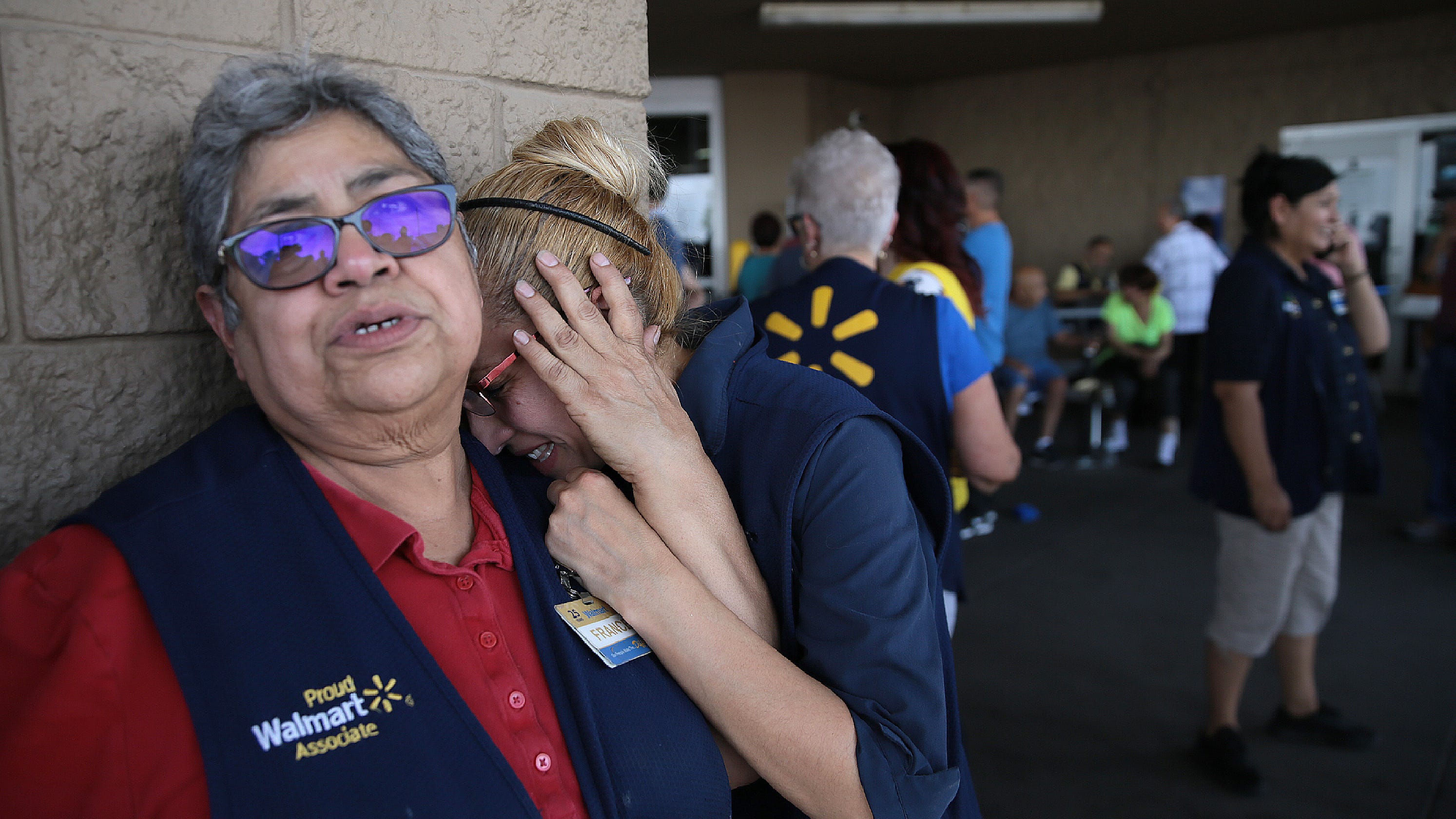
My first response to hearing of the horrific shooting in El Paso was, where was the good guy with the gun who could have stopped this? This is the world bequeathed to us by a secular culture that has rejected God, that you can’t go shopping on a Saturday morning in America without worrying that you might be mowed down by an evil man (it is always men, isn’t it?) with a gun. Then I thought of the families devastated by the loss of their loved ones whose lives will be haunted by this event as long as they live. Imagine it happening to those you love and care about. It is infuriating. Then learning it was a 21 year-old, I thought what kind of parents could raise a child capable of such evil. Blaming parents does not make me popular with those who are convinced raising children in 21st century America is a crap shoot. So be it. But I won’t tarry on these things because life in a fallen world to put it bluntly, sucks! Or it can, as such events demonstrate.
(more…)
Aug 3, 2019 | Plausibility
Since I keep seeing articles and blog posts about the apostasy of Joshua Harris, I keep thinking of lessons we can learn from his postmodern rejection of the Christian faith. I outlined three in my last post, and add another in this one. It’s a concept that is all but invisible in Christian conversations, and even in apologetics: plausibility structures. Before you go off somewhere else in Internetland because it sounds like an esoteric concept for brainiacs, or something, stick with me. It could not be more important for Christians trying to navigate their faith commitments in a hostile, secular 21st century Western culture.
(more…)
Aug 1, 2019 | Parents and Family
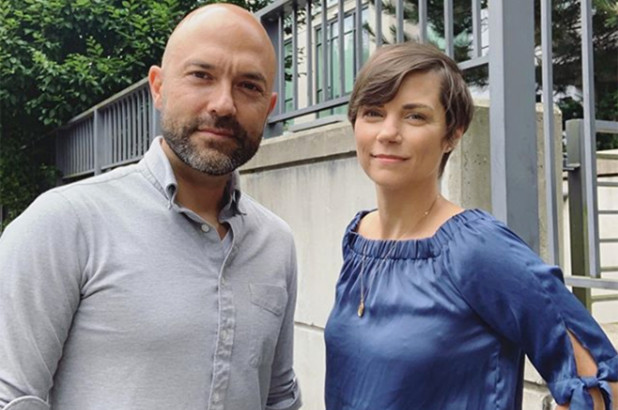
A lot of Internet ink has been spilled about author/pastor, Joshua Harris, so I figured I might as well add to the torrent. And given my bent, I’ll orient it toward apologetics. Harris recently decided to jettison the ideas in a book he wrote about sexual purity and dating in the 90s, and also decided that the Christian faith he thought inspired those ideas must be jettisoned as well. The marriage of 20 years based on the book’s message, that’s over too. In his declaration of apostasy he also apologized to the “LGBTQ+ community,” which means he’s embracing the moral system of modern liberal secularism. He’ll get plenty of praise from the usual suspects for that move, but there are some lessons here, elephant in the room kind of lessons. I haven’t read the book, but I think what I’ve read based on what’s transpired in his life is accurate.
(more…)

Recent Comments