Jul 1, 2017 | Culture

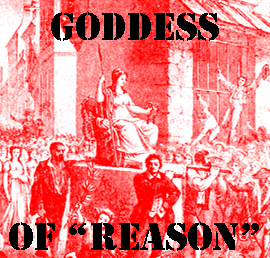
The title of this post is almost an axiom among modern Americans. We may hear it put in other ways as well, like “as long it makes you happy,” or “you must do what’s in your heart.” I’ve heard it said that we live in the age of “the sovereign self.” In our age, the subjective rules; the only perspective that counts is my perspective, and my perspective is declared valid simply because it is mine. Whether what I think corresponds to reality in any objective sense is beside the point.
We tend to think of it as a relatively recent phenomena, but this idea of being “true to ourselves” is a form of relativism, and it’s been around a lot longer than most of us would think. The phrase actually goes back to a Johann Gottfried Herder, who wrote to his fiancee, Caroline Flachsland in 1772:
All our actions should be self-determined, in accordance with our innermost character—we must be true to ourselves.
(more…)
Jun 24, 2017 | Theology

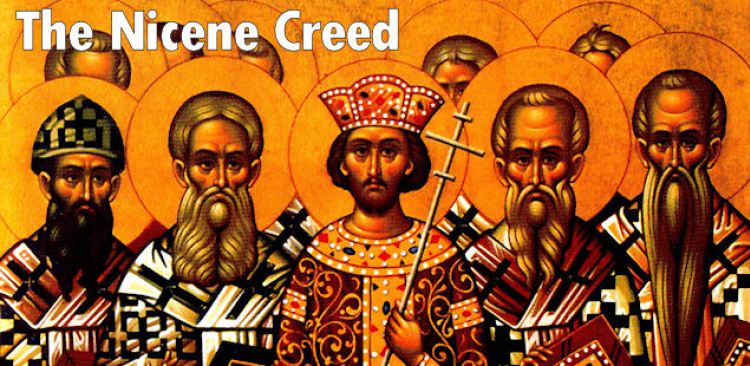
Who Jesus is, is the central question of human existence. If he was who he said he was, and if he is who the Council of Nicea in 325 said he was and declared by orthodox Christians ever since:
God from God,
Light from Light,
true God from true God,
begotten, not made;
of the same essence as the Father.
Then all of existence is determined by this fact. Jesus commands our allegiance, and our worship, because he is God, not just a great moral teacher or religious leader.
(more…)
Jun 17, 2017 | Parents and Family

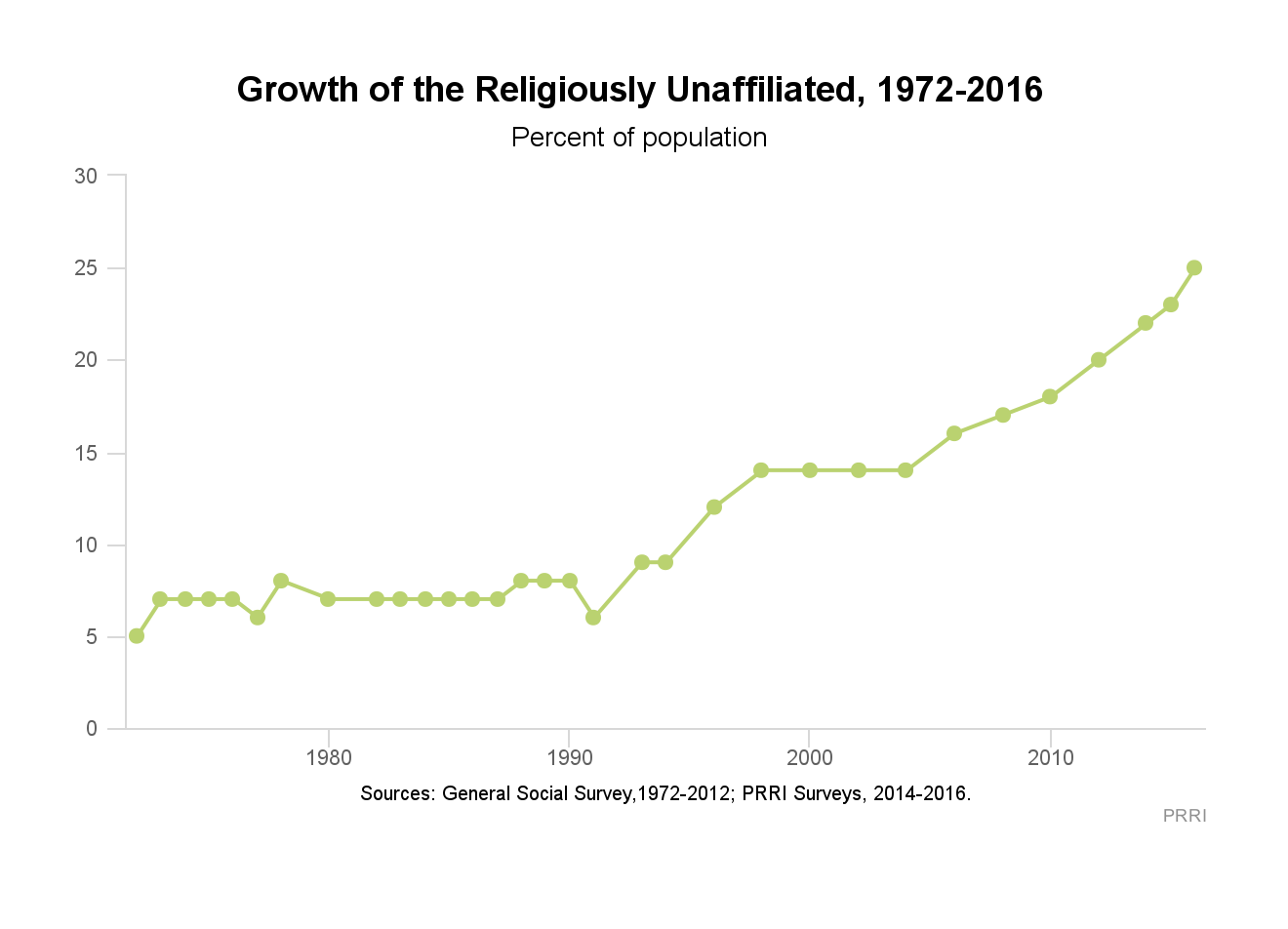
The title of a recent piece at Scientific American tells us the “Nones” juggernaut continues:
College Freshmen Are Less Religious Than Ever: Data from a nationwide survey shows students who list their affiliation as “none” has skyrocketed
“Nones” are people who when surveyed about their religious affiliation pick “None of the above.” What this means is that our culture will continue to get more secular as religion gets less important to more people over time. Those who applaud the increasing secularization of America hope we eventually turn out like Europe where churches are empty, and those who take their Christianity seriously are a curiosity.
(more…)
Jun 12, 2017 | Apologetics

Logic is an amazing feature of the universe God created, but one that is unfortunately often ignored. It is no longer taught in public schools, which is obvious from the tenor of public debates over politics and religion. And those of us who attend weekly worship services at our local church also get very little, if any, teaching about logic. But if we are to think well and critically through life, logic is indispensable, especially in a hostile, post-Christian Western culture. (The one encouraging bright spot in this logical wasteland is the growth of Christian (and public charter) classical education, but it’s only a drop in a very large bucket at this point.)
Most people tend to think that logic drives people away from Christian faith, but logic is in fact one of our faith’s most powerful allies. I recently learned about an atheist turned Christian who found this out much to her surprise. Sarah Irving-Stonebraker was once a committed atheist, and she tells her story of coming to embrace the Christian message in a piece at The Veritas Forum. Growing up in a “loving, secular home,” as she puts it, she just knew that “Christians were anti-intellectual and self-righteous.” She doesn’t seem to have known any Christians at the time, but that is the perception in the Western cultural air we breathe.
(more…)
Jun 9, 2017 | Culture

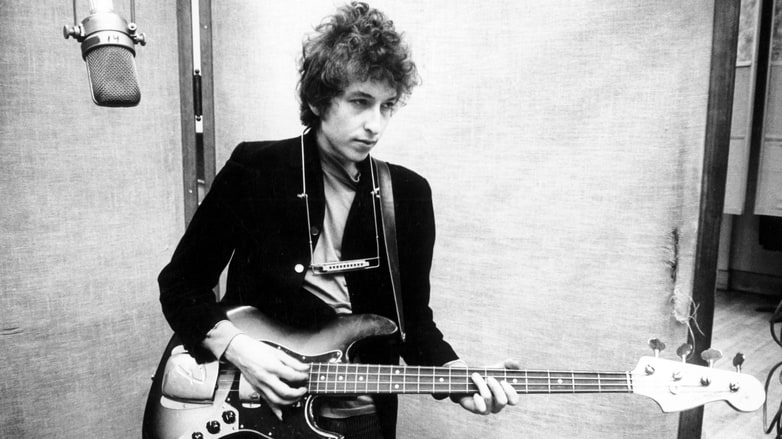
Although I’ve never been a big fan of Bob Dylan, I’ve always appreciated his genius, and especially his ability to capture the cultural Zeitgeist. A piece by Rod Dreher titled “Bob Dylan On The Road To Damascus” explains why he was so good at this. We learn from Dylan’s Nobel Prize speech that several books he read in grammar school, Moby Dick, All Quiet on the Western Front, and The Odyssey, among others, influenced the way he saw the world, and thus wrote lyrics. Dreher comments that
He goes on to discuss those three novels, and how they affected his understanding of the world, and in turn, his music. One of the greatest popular musicians of the 20th century, the recipient of the Nobel Prize in Literature, got his start in what we now call classical education — one that gives the student “a way of looking at life, an understanding of human nature, and a standard to measure things by.”
(more…)



Recent Comments