Feb 5, 2017 | Epistemology - Trust

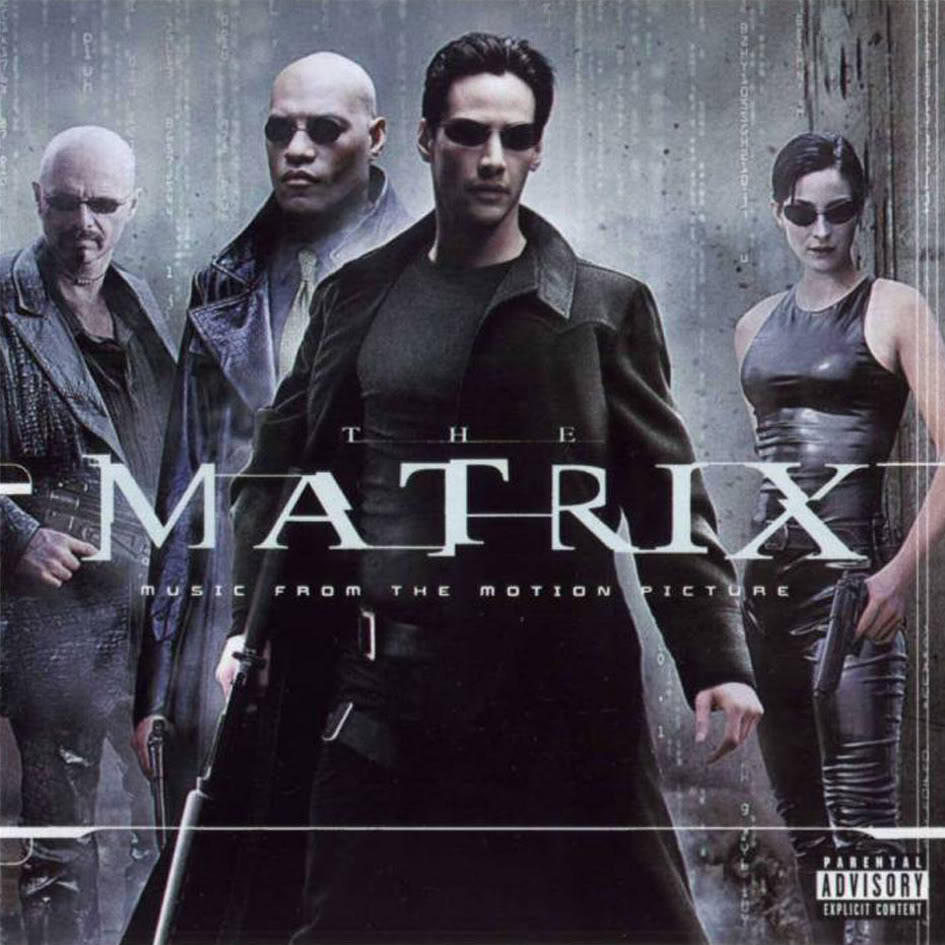
On a recent trip home to see family and friends, I got into interesting conversations with two gentlemen who are self-described agnostics. I realized something as I thought about these conversations. My interlocutors seemed to believe they could not know the religious stuff I was talking about with any certainty, so why bother with it at all. As we talked it hit me: Their objection to Christianity is rooted in epistemology! They probably wouldn’t even know the word, but there is it nonetheless.
(more…)

Feb 3, 2017 | Epistemology - Trust

In my last post, I defined faith, correctly, as trust based on adequate evidence, contrasting it with our secular, postmodern culture’s definition as what you need when there isn’t enough evidence. Big difference. In this post I will take a brief look at how we experience faith and doubt in daily life, and in our relationship with God. While the objects are different, the nature of the thing remains the same. Religious “faith” and everyday “faith” are the same because absolute certainty doesn’t exist, and we must act, or not, based evidence presented to us.
(more…)
Jan 31, 2017 | Epistemology - Trust

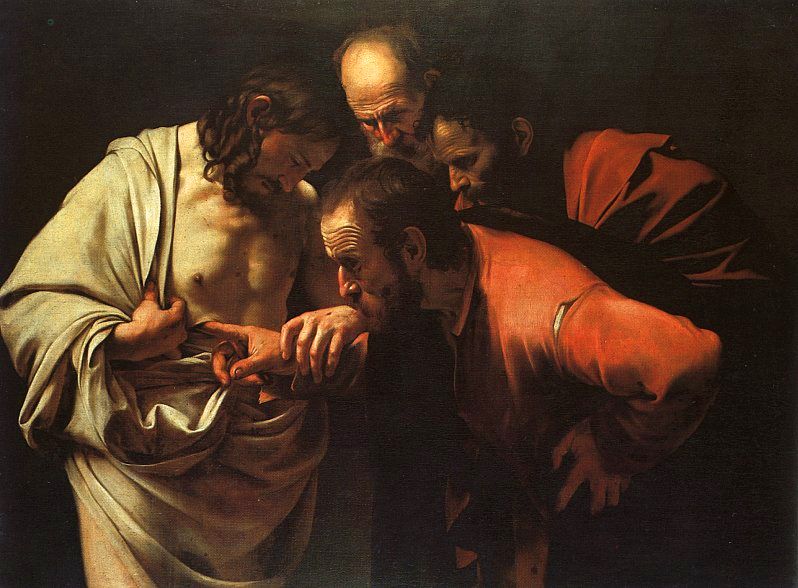
Sociologist Peter Berger has been an influential thinker and writer in my development as a Christian apologist. I have an entire chapter in my book on plausibility, something rare in apologetics circles, inspired by his books The Sacred Canopy and The Social Construction of Reality. I heard of a more recent book (those are from the 60’s) of Berger’s from the great Albert Mohler in his excellent Thinking in Public podcast. The book, In Praise of Doubt: How to Have Convictions Without Becoming a Fanatic, has some excellent insights, but it’s also the kind of book I often want to throw against the wall.
(more…)

Jan 27, 2017 | Apologetics
I can imagine you thinking at this moment, What kind of person would ask such a stupid question! Hang with me, and you’ll realize it’s not such a stupid question after all.

In my previous post I shared an Alice in Wonderland adventure I had with a postmodernist. As always in such encounters, one thinks of things one could of or should have said afterward. At one point I shifted the conversation to something called the moral argument. Simply stated, this means that the best explanation for morality, the sense that all human beings have of right and wrong and justice, can best be explained by the existence of a personal God. The postmodernist is a relativist, meaning morality is whatever an individual person or culture thinks it is. For them, there is no objective standard of right and wrong which exists outside of their own feelings or perceptions. By happy happenstance I was able to share a perfect example of postmodern relativism just this morning with my son. (more…)
Jan 23, 2017 | Truth

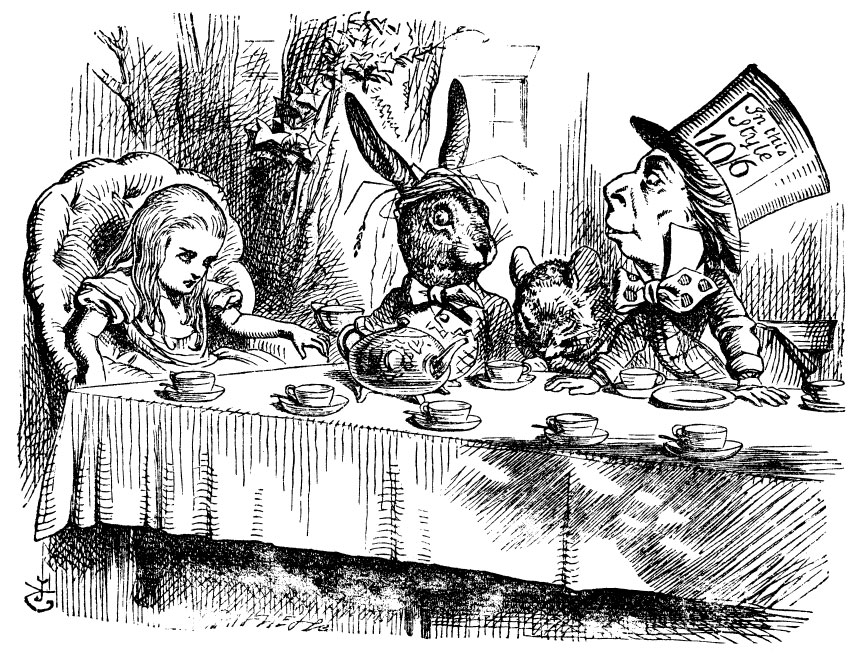
If you are not familiar with the phrase, “down the rabbit hole,” it comes from the 19th Century Lewis Carroll book, Alice’s Adventures in Wonderland. Young Alice goes down a rabbit hole and experiences a world that is upside down, inside out, and awfully confusing. According to Google, the phrase has come to “refer to a bizarre, confusing, or nonsensical situation or environment, typically one from which it is difficult to extricate oneself.” I was reminded of the world down the rabbit hole as I was recently having a conversation with a quintessential postmodernist.
(more…)



Recent Comments