
Jun 2, 2020 | Epistemology - Trust, Theology
In my previous post I related how a sermon by our pastor on Psalm 115 inspired me to write about God verses idols. There is something else about this Psalm that after more than four decades as a follower of Christ has proved to be the very essence of my faith, and it is found in these three verses in the middle of the Psalm:
9 All you Israelites, trust in the Lord—
he is their help and shield.
10 House of Aaron, trust in the Lord—
he is their help and shield.
11 You who fear him, trust in the Lord—
he is their help and shield.
A perfectly biblical three times, trust in the Lord! The context, God verses idols, and the claims of the nations (v.2) that God is MIA, is what makes these exhortations so powerful. If we don’t trust in the Lord, what or who do we trust? The older I get, and the more I learn, the more significant I realize how important it is to always consider the alternative. I call this in a phrase, the consideration of the alternative. As I argued previously, there is no Switzerland, no metaphysical or spiritual neutrality. We have to believe, or trust (the biblical Greek word translated faith), in something or someone. People don’t give up belief or trust without religion, they just place it somewhere else. (more…)
May 16, 2020 | Epistemology - Trust
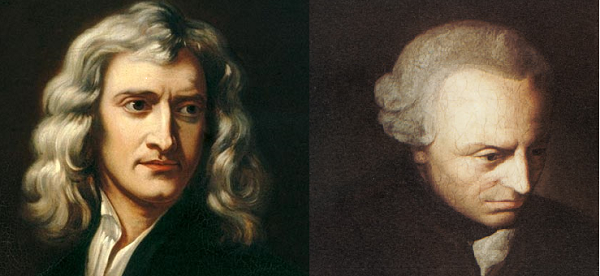
Most Christians, not to mention non-Christians, have no idea how epistemology, the study of our knowing, affects our faith. Even to say, “affects our faith” has some people automatically think, what does knowing have to do with faith! Lots. This consequence of the so-called Enlightenment, almost 400 years after it entered Western intellectual tradition, is ubiquitous, invisible, and pernicious. It is, and always has been, at war with Christianity, and it is imperative for Christians to understand this. You don’t have to be an “intellectual” either; just grasping the inescapable power of assumptions is all you need. That is, whatever is assumed to be true is accepted as true without question, things taken for granted instead of articulated. I’ll explain one of the most harmful in a moment, but I was struck just how harmful when I heard the story of two famous online guys I’d never heard of who had something now called, I gather, a deconstruction of their faith. Well, I’m going to deconstruct their deconstruction. (more…)
May 8, 2020 | Apologetics, Epistemology - Trust
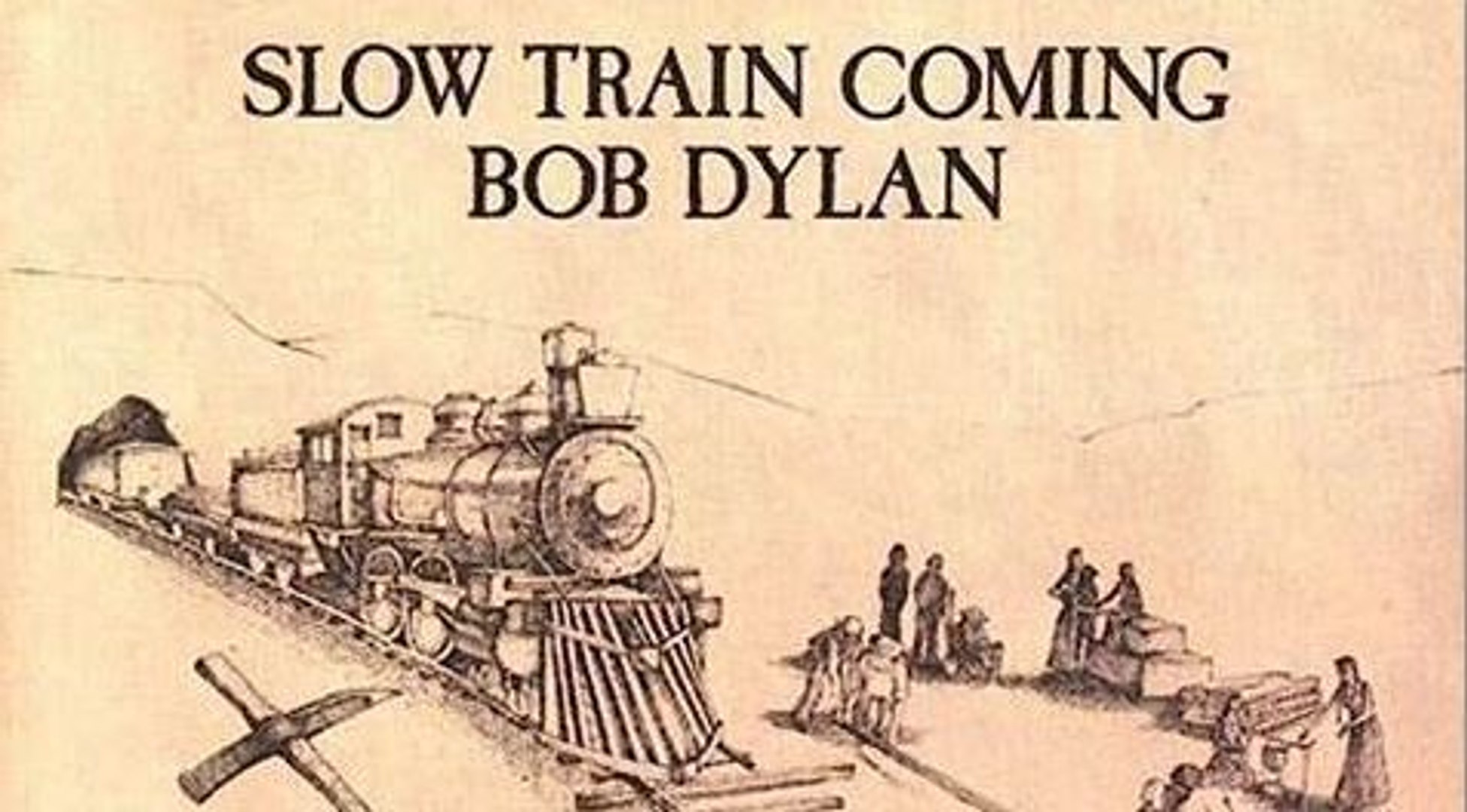
I had a dream recently, like I do every night, but this one was inspiration for a blog post. Most of my dreams are way too bizarre for the word bizarre, but this one was very specific. I made a friend when I got out of college and was involved in the Navigator ministry at USC, and had some part in leading him to Christ. We stayed friends after that, and he even attended Westminster Seminary with my wife and I for a time, but we lost connection with him somewhere in the mid-90s. The dream was simple. He showed up in the dream, and let me know he was no longer a Christian. I asked what he was, and he said nothing. I told him that wasn’t possible, that he had to believe in something! Then it was over. When I woke up I said to myself, I have to write something about this! Most people are under the impression when they don’t believe in Christianity, or reject it, that they are in some neutral place where belief or faith or religion is not required; they’ll just sit that one out for now. That, of course, is impossible, as I’ve argued here before. There is no metaphysical neutrality. As Dylan sang in his Jesus phase, you gotta serve somebody, it may be the devil or it may be the Lord, but you gotta serve somebody. (more…)

May 2, 2020 | Epistemology - Trust
We live in very strange times, as you may have noticed. Nobody knows who or what to trust, witness masks and gloves when you go to the store, or those who choose not to wear them (me!). Which “experts” should we trust? Politicians? A lot of people are fed up with their dictates. Media sources? No need to laugh. We’re seeing the profound implications of what happens to a society when trust breaks down, and it isn’t pretty. Civilization is fragile, and trust the glue that holds it together. Which brings us to the issue of certainty, how it’s related to trust, and how the expectation that absolute certainty is possible makes trust impossible. The problem is that if absolute certainty is possible, which is isn’t, then trust is unnecessary. To get the connection, we must understand something about epistemology, the study of knowledge, how we know things. You might wonder, what that six syllable word has to do with anything. Pretty much everything. To understand why will require a brief history lesson. (more…)

Jan 18, 2020 | Epistemology - Trust
Is that title click bait or what! Most people in our secular age live life in epistemological quandaries. As I was praying one morning this week I told God I was so grateful I didn’t have to live that way. I think the phrase came to me because of a movie I was watching the other night with my wife and soon to be 18 year-old son on Netflix called Marriage Story (more like Unmarriage Story). It was apologetics fodder! Much like a Woody Allen movie, all puzzle pieces and no big picture into which any of the pieces fit. Thus the quandaries, as defined, a state of perplexity or uncertainty over what to do in a difficult situation. It’s so pathetic to watch people try to figure out life without God, and his revelation to us in creation, Scripture, and Christ. That’s the epistemological part, the ability to know or not, only comes through the revelation of God. (more…)

Nov 14, 2019 | Epistemology - Trust
If you’re wondering what the title of this post means, it’s a pithy introduction to the skeptical bias of our Enlightenment drenched post modern secular culture. I bet you’ve never heard the phrase, “leap of doubt.” No. But if I start with “leap of . . . ” how would, oh, about 100% of people finish the phrase? Leap of . . . faith, of course! Why don’t doubts take leaps, and faiths do? Why are honest doubt and blind faith common terms in our culture? Good questions.
(more…)

Recent Comments