Jul 4, 2020 | Notable Quotations
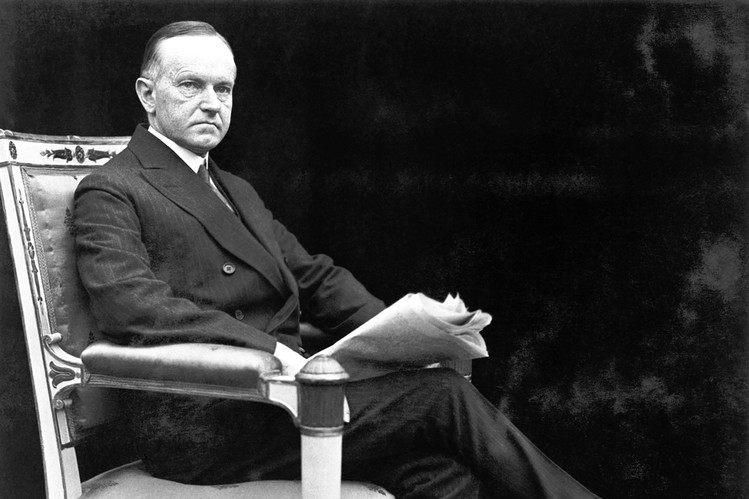
About the Declaration there is a finality that is exceedingly restful. It is often asserted that the world has made a great deal of progress since 1776, that we have had new thoughts and new experiences which have given us a great advance over the people of that day, and that we may therefore very well discard their conclusions for something more modern. But that reasoning can not be applied to this great charter. If all men are created equal, that is final. If they are endowed with inalienable rights, that is final. If governments derive their just powers from the consent of the governed, that is final. No advance, no progress can be made beyond these propositions. If anyone wishes to deny their truth or their soundness, the only direction in which he can proceed historically is not forward, but backward toward the time when there was no equality, no rights of the individual, no rule of the people. Those who wish to proceed in that direction can not lay claim to progress. They are reactionary. Their ideas are not more modern, but more ancient, than those of the Revolutionary fathers.
President Calvin Coolidge, Speech on the 150th Anniversary of the Declaration of Independence
July 5, 1926

Jul 1, 2020 | Notable Quotations
The current age is beginning to seem an age of social insecurity, whose leading belief is in the inability of individuals to change the drift of things. A dash of Marxism, a touch of Freudianism, a vague groaning about something called the System, and distrust of action, a denigration of success—such appear to constitute the chief strands of social thought of the day. None of this allows much leeway for the use of intelligence, courage, and resolution on the part of individuals. It is almost as if we subscribed to a form of social determinism that has no name and whose causes and effects we haven’t quite managed to formulate, but to which we feel ourselves helplessly hostage.
—Ambition: The Secret Passion
by Joseph Epstein, 1989

Jun 23, 2020 | Notable Quotations
I call “piety” that reverence joined with love of God which the knowledge of his benefits induces. For until men recognize that they owe everything to God, that they are nourished by his fatherly care, that he is the Author of their every good, that they should seek nothing beyond him—they will never yield him willing service. Nay, unless they establish their complete happiness in him, they will never give themselves truly to him.
—John Calvin, Institutes of the Christian Religion

May 25, 2020 | Notable Quotations

Of all tyrannies, a tyranny sincerely exercised for the good of its victims may be the most oppressive. It would be better to live under robber barons than under omnipotent moral busybodies. The robber baron’s cruelty may sometimes sleep, his cupidity may at some point be satiated; but those who torment us for our own good will torment us without end for they do so with the approval of their own conscience.
—C.S. Lewis
Jan 10, 2020 | Notable Quotations
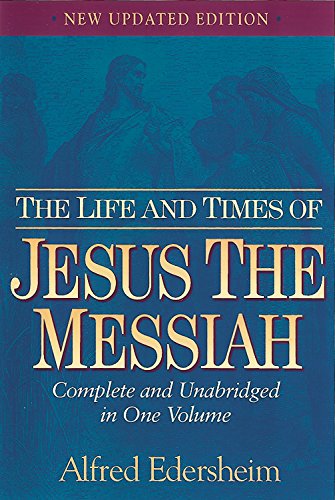
[H]ere another important lesson is implied in regard to the miraculous in the Gospels. The history shows how little spiritual value or efficacy they attach to miracles, and how essentially different in this respect their tendency is from all legendary stories. The lesson conveyed in this case, is, that we may expect, and even experience, miracles, without any real faith in the Christ; with belief, indeed, in his power, but without surrender to his rule. According to the Gospels, a man might either seek benefit from Christ, or else receive Christ through such benefit. In the one case, the benefit sought was the object, in the other the means; in the one, it was the goal, in the other, the road to it; in the one, it gave healing, in the other, brought salvation; in the one, it ultimately led away from, in the other, it led to Christ and to discipleship.
—Alfred Edersheim, The Life and Times of Jesus the Messiah
(more…)
Dec 28, 2019 | Notable Quotations
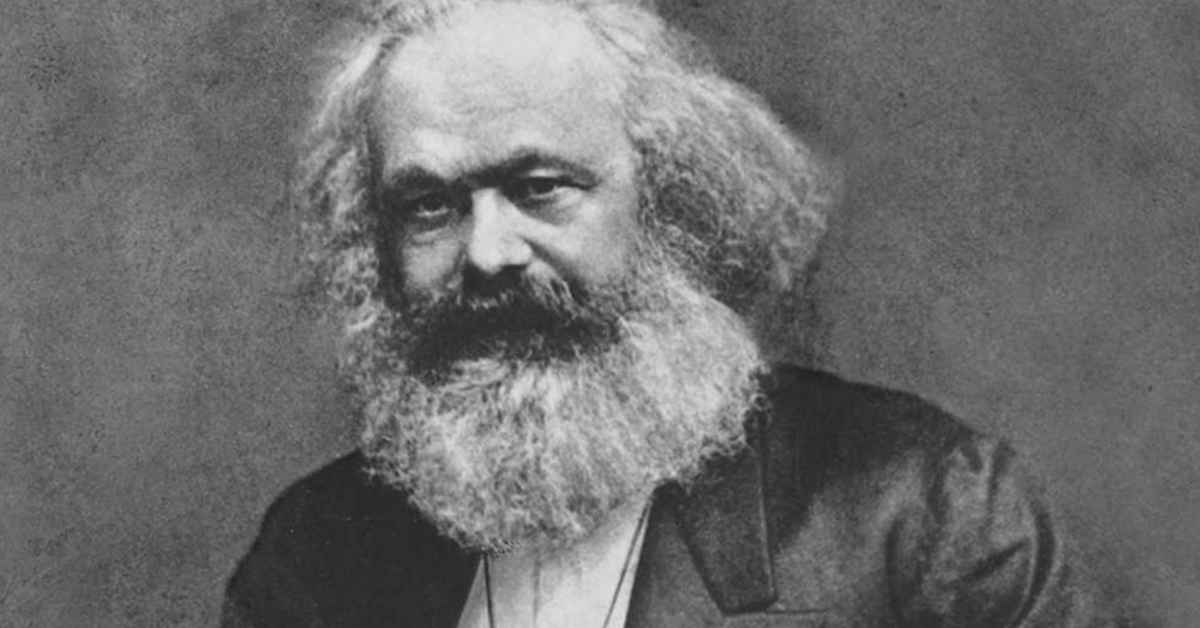
Alasdair MacIntyre once described Marxism as “a secularism formed by the gospel which is committed to the problem of power and justice and therefore to themes of redemption and renewal.” The problem, however, is that its diagnosis is superficial, and its cure fatal. For this reason, Marxism, whether in classical or cultural form, can be viewed as a corruption or parody of the gospel—replete with its own false prophet (Marx), false Bible (Das Kapital), false doctrine (dialectical materialism), false apostles (Lenin, Stalin, Mao, Marcuse), and false hope (a communist utopia). Therefore, the fact that Cultural Marxism is a real ideology making a real impact on our world is not good news.
—Robert S. Smith, “Cultural Marxism: Imaginary Conspiracy or Revolutionary Reality?”

Recent Comments