
Sep 15, 2018 | Theology
I was reminded while reading Luke 8 recently, that God throughout Scripture, and ultimately in Christ, is completely counter cultural to all fallen cultures. Notice in this chapter how Jesus upends cultural expectations regarding women (several are named in this chapter as his closest disciples and supporters) and family. In the ancient Greco-Roman and Jewish world women were second or third class citizens, and family and clan determined your identity, value, and worth. The two instances in this chapter, among many throughout the gospels, show how Jesus challenged these expectations throughout his ministry. And Yahweh did the same thing all throughout the history of redemption.
(more…)

Sep 7, 2018 | Theology
These words of Jesus come from what’s known as his “high priestly prayer” in John 17 where he prays before his crucifixion not only for his disciples, but for those who would believe in him through their message. That would include we who claim his name these two millennia later. Many Christians, especially Catholics, but Protestants as well, lament that there is so much division in the Church, so many differing conceptions of the meaning and doctrines of the Christian faith. Skeptics are especially fond of claiming that all the disagreement is evidence that Christianity is a bunch of hooey. But I’ve always questioned this lament of Christians, and criticism of its enemies, even more so as I get older.
(more…)
Jul 7, 2018 | Theology
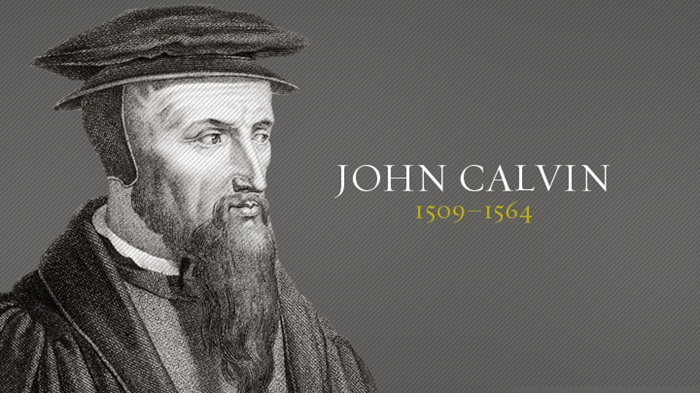
One of the more frustrating things about being a Calvinist is the rampant misunderstanding about Calvin and his theology one encounters pretty much everywhere. Even among some of his followers! The old canard is the Calvinism equals determinism, but nothing could be further from the truth. Here is a definition of determinism:
Determinism, in philosophy, is the theory that all events, including moral choices, are completely determined by previously existing causes. Determinism is usually understood to preclude free will because it entails that humans cannot act otherwise than they do.
(more…)

Jun 16, 2018 | Theology
I believe most Christians go through life with a sense of low-grade guilt because they don’t really understand the gospel. The reason I say this is that I myself was this kind of Christian for many years of my adult life because I didn’t either. What changed? You’ll laugh when I tell you: God’s wrath! Yes, it was only when I discovered God’s wrath, as if for the first time after three decades of being a Christian, and a seminary graduate at that, that I finally came to understand just how good the good new is!
A God of wrath doesn’t poll well in our secular age, so it’s sadly not preached much from our pulpits. A God of love is a much easier sell, but the irony is that God’s love outside of the context of God’s wrath is meaningless. It’s easy for we sinful human beings to focus on one aspect of God’s being to the exclusion of all the others, and it’s natural to want God to accept us as we are, warts and all. The problem with “warts and all” is that the Bible calls that sin, and the wages of sin is death. Because God is just, and wrong must be paid for, he cannot overlook our sin. It’s no different than in a court of law. A judge to remain just, and in his job, must apply penalties to those who break the law. We live in a moral universe, so why would we think it should be any different with God? (more…)
May 12, 2018 | Theology
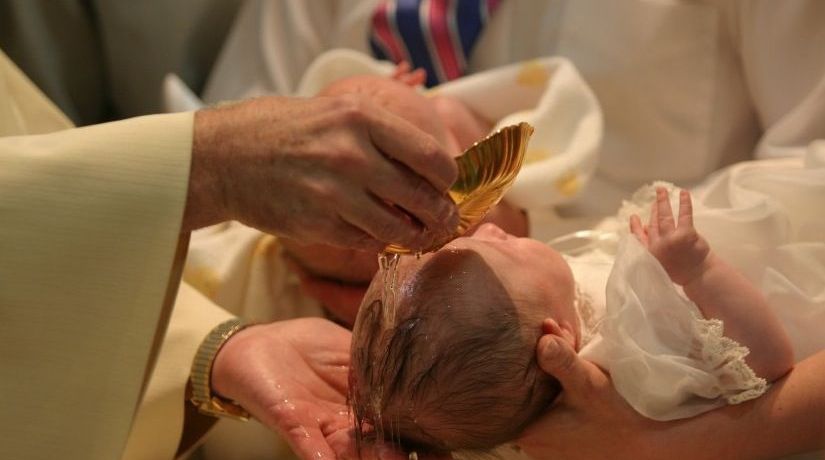
Whenever I have put the word paedobaptist in Google, the first article linked is “Why I Am Not a Paedobaptist” by Tim Challies. One day maybe my little post here will come up high on such a search so people interested in the subject can get a competing argument, unless the folks at Google are against the baptizing of cute little babies.
In case you are not familiar with the term paedobaptist (in Greek, παιδί-paidí-means child), it means those who baptize infants, as opposed to believers baptism, i.e., baptizing someone on the basis of their decision to believe in Jesus. To many Evangelicals, baptizing babies seems positively Roman, as in Catholic—and counter intuitive. The typical response of most Evangelicals is, in incredulous tones, why, a baby can’t make a decision for Jesus! As if the central meaning of baptism is our choice. I know it’s practically heresy today to claim otherwise, but that is exactly what I’m doing.
(more…)
Mar 28, 2018 | Theology
In my last post I began to look at an Old Testament take on sin, and it’s not a pretty picture. Until we understand the gravity of sin, and its horrific consequences in human existence, we’ll have a hard time understanding and accepting that God could be angry about it, and that wrath is an understandable response of a holy God. We can’t know this through human speculation, although we all know the anger against horrible injustice when we see or experience it. Multiply that anger by infinity because God is omniscient, and he knows the ultimate injustice of every act of rebellion against him, in thought, word, or deed. Where human speculation ends, we must depend on God’s revelation to us in Scripture to educate us about sin, and his attitude toward it.
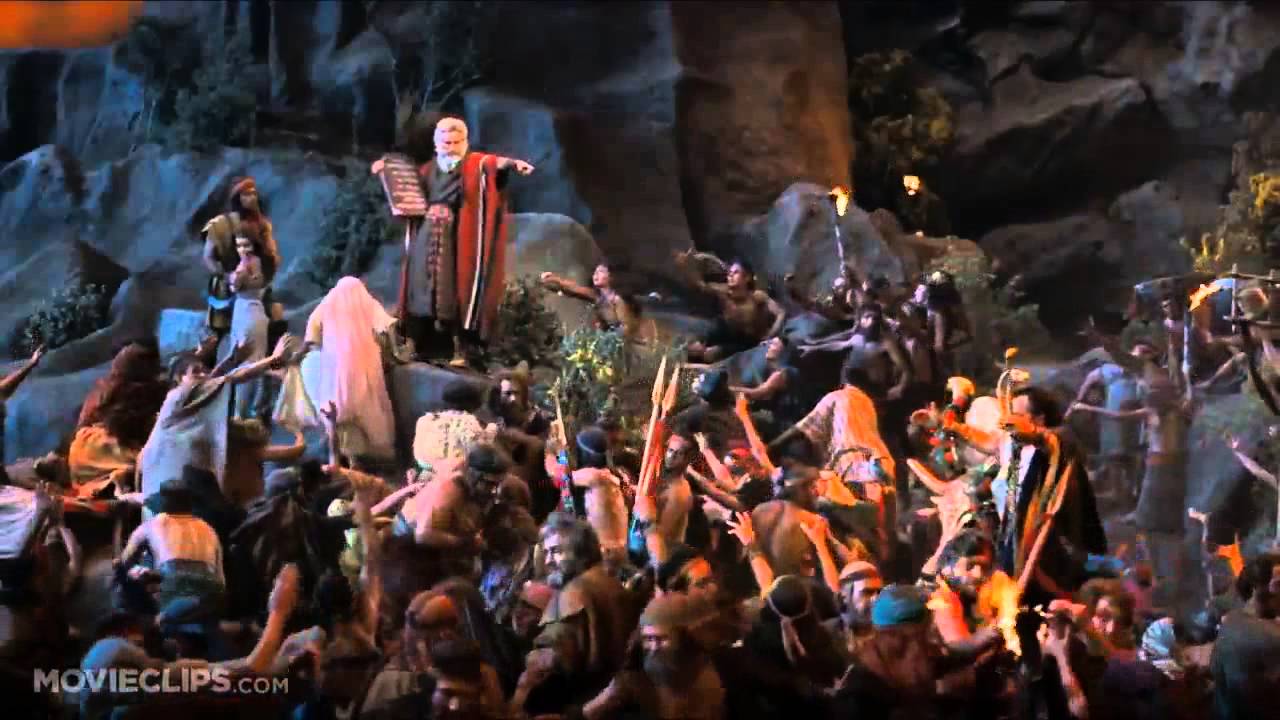
This gravity struck me, powerfully, when reading through Exodus several years ago, and an event recounted in chapter 4. There are no accidental words in the Bible, no fluff; everything is there for a reason. The story is about Moses, and the Lord has commanded him to go back to Egypt to confront Pharaoh. This is a big deal, the beginning of the Exodus of God’s people from 400 years(!) of slavery, and a powerful metaphor God used over and over throughout redemptive history to point his people to his power to deliver them from the slavery of sin. Then we read these bizarre words:
24 At a lodging place on the way, the Lord met Moses and was about to kill him. 25 But Zipporah took a flint knife, cut off her son’s foreskin and touched Moses’ feet with it. “Surely you are a bridegroom of blood to me,” she said. 26 So the Lord let him alone. (At that time she said “bridegroom of blood,” referring to circumcision.)
Seriously? The Lord is going to kill Moses? And he was fully ready to do it? The same Moses he just commissioned to go to Egypt to set his people free? It sure looks like it.
(more…)

Recent Comments